LinkedIn career growth strategy: 94% use for content
"The professional landscape is shifting toward digital connectivity where visibility is the primary currency for career advancement."
A LinkedIn career growth strategy requires a blend of consistent content distribution and strategic networking to stand out in a crowded marketplace.
This guide explores how to utilize the platform for global networking on LinkedIn, build professional visibility, and leverage unique engagement opportunities.
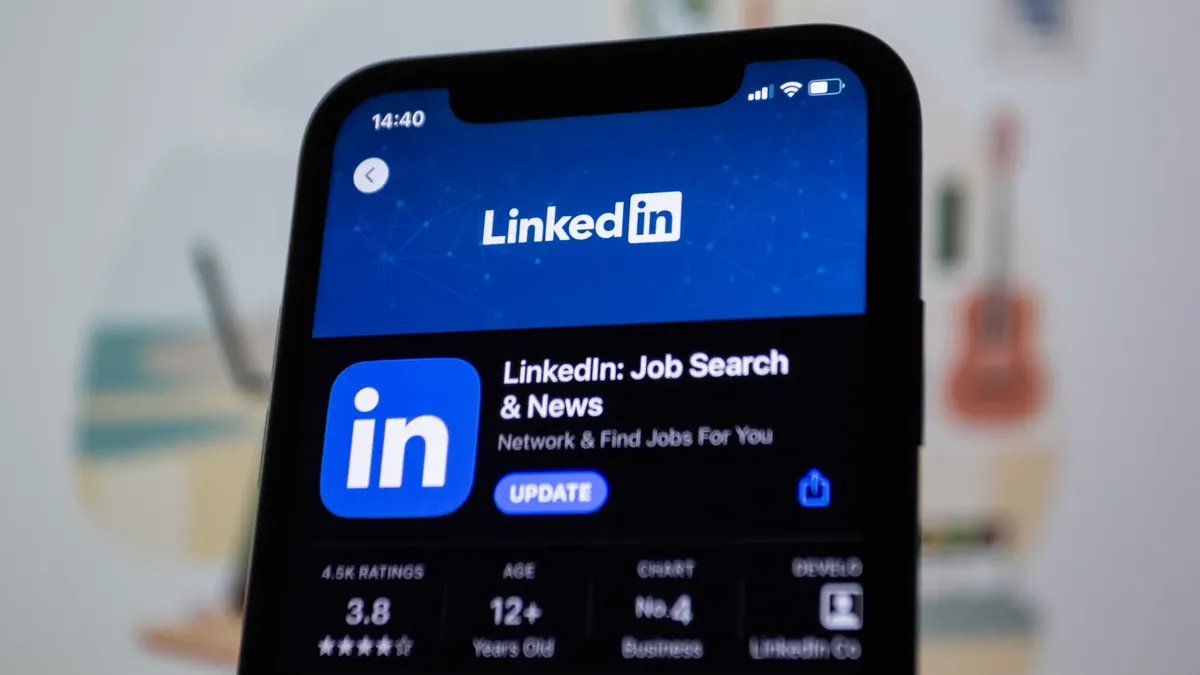
Key takeaways include understanding the dominance of B2B marketing on the platform, identifying demographic trends, and recognizing the massive visibility gap created by low user posting frequency.
How can professionals leverage the dominance of B2B marketing?
In the quiet office at dawn, a marketer taps a rhythmic beat on the desk while studying strategic trends on linkedin.
A marketing professional sits in a quiet office, adjusting a digital content calendar to align with global trends. Since 2017, 94% of business-to-business marketers use LinkedIn to distribute their content.
This high level of professional usage means that building a presence on the platform is no longer optional but a necessity for industry relevance.
By engaging in these professional circles, you can effectively advance career globally. The platform serves as a central hub where industry leaders and decision-makers congregate to share insights.
Using this tool to distribute your own expertise ensures you are part of the conversation that shapes your industry.
How can you build professional visibility through engagement?
Late at night, a tired hand scrolls through a bright screen, searching for an opening on linkedin.

A user scrolls through a feed, noticing that while millions are logged in, very few are actually contributing.
Despite having 1.3 billion registered users, only approximately 1% of monthly users share content on a weekly basis, creating significant visibility opportunity for professionals who post consistently. This gap represents a massive opening for those willing to become active contributors.
If you want to maximize LinkedIn professional presence, you must move beyond passive scrolling. Because so few people post regularly, a single well-crafted post can reach a wide audience of peers and recruiters.
This low-frequency environment makes consistent, high-quality input a powerful differentiator for your personal brand.
What are the demographic trends for networking?
A recruiter looks at a screen, analyzing the age distribution of a talent pool to better understand market reach. The largest age demographic is the 25-34 age group, making up 33.4% of all users.
This group represents a significant portion of the workforce currently moving through various stages of professional development.
Understanding these segments helps in tailoring your approach to LinkedIn for career development. The 18-24 demographic follows at 20.5%, while users between the ages of 35-54 represent 15.9% of the platform.

Knowing these proportions allows you to navigate different professional levels, from emerging talent to seasoned leadership, with greater precision.
How to use LinkedIn for job search and networking?
A professional prepares to send a connection request, ensuring their profile reflects their current expertise. To effectively use the platform for job search and networking, follow these steps:
- Optimize your profile to reflect your unique value proposition and industry expertise. 2. Engage with content from industry leaders to increase your visibility within their networks. 3. Share original insights regularly to capitalize on the low weekly posting rates of other users.
After completing these steps, perform a final check to ensure your digital presence aligns with your career goals. I found that regularly reviewing my own profile helps me maintain the same level of professionalism I expect from my connections.
| Demographic Group | Percentage of Users |
|---|---|
| 25-34 Age Group | 33.4% |
| 18-24 Age Group | 20.5% |
What are the limitations of digital networking?

A professional stares at a laptop, realizing that digital connections lack the depth of physical interaction. While digital tools are powerful, they cannot fully replace the nuance of in-person relationship building.
A limitation of this strategy is that high-level professional visibility is often dependent on the specific industry and the quality of the content shared, rather than just the frequency of posts.
- How can professionals leverage the dominance of B2B marketing?
- How can you build professional visibility through engagement?
- What are the demographic trends for networking?
Related
- Resume writing mistakes to avoid: Guide for job seekers
- Job flow analysis economic change: Guide to career strategy







Comments 0