OSHA compliance business impact: Tips for 9.4% decline
"Almost 2 million people die each year due to exposure to occupational risk factors."
Adhering to safety regulations is a fundamental pillar of corporate longevity, protecting both human life and financial stability. By implementing rigorous safety protocols, businesses can prevent catastrophic losses, reduce legal liabilities, and foster a sustainable work environment.
This guide explores the impact of regulatory compliance on operational survival, provides steps for managing workplace hazards, and addresses the limitations of specific oversight frameworks.
Why do occupational risks threaten business survival?

A manager walks through a quiet factory floor, noting the heavy machinery and the silence of an empty workspace. The weight of responsibility rests on the realization that a single oversight can lead to devastating consequences.
The global cost of occupational hazards is immense, affecting both human health and economic stability.
According to the official estimates of the United Nations, the WHO/ILO Joint Estimate of the Work-related Burden of Disease and Injury, almost 2 million people die each year due to exposure to occupational risk factors.
These fatalities represent not just a human tragedy but a profound disruption to the workforce and corporate continuity. When a worker is lost, the company must deal with the subsequent operational gaps.
A sudden accident can jeopardize the very existence of a company through legal penalties and loss of reputation. When safety is neglected, the resulting instability can ripple through supply chains and investor confidence.
Ensuring compliance is an investment in the company's ability to remain operational under pressure. The financial consequences of poor safety management often exceed the cost of preventative measures.
Unmanaged hazards lead to operational downtime and legal liabilities that can jeopardize a company's future.
How can inspections influence injury rates and costs? OSHA compliance business impact
An inspector enters a facility, clipboard in hand, to conduct a routine check of safety equipment and protocols. This interaction serves as a catalyst for immediate behavioral changes among the staff.

Regulatory oversight often acts as a direct driver for improved safety outcomes within the private sector. A 2012 study in Science found that OSHA's random workplace safety inspections caused a "9.4% decline in injury rates" and a "26% reduction in injury cost" for the inspected firms.
This suggests that the presence of external oversight encourages proactive management. The knowledge that an inspection may occur prompts supervisors to maintain higher standards consistently.
Lowering injury rates through inspections helps maintain a consistent workforce. When employees feel safe, productivity remains stable, and the company avoids the high costs of medical leave and turnover.
These metrics demonstrate that regulatory pressure can translate into tangible economic benefits for the firm. Reduced turnover, for example, lowers the expenses associated with recruitment and retraining.
Regular oversight identifies faulty equipment and unsafe behaviors before they result in costly accidents.
What are the essential steps for maintaining safety compliance?
A supervisor gathers the team in a circle, reviewing the day's checklist and demonstrating the proper use of protective gear. The routine nature of the training builds a collective habit of caution.
Maintaining a safe environment requires a structured approach to risk management and reporting.

- Establish clear reporting protocols to ensure that incidents are communicated immediately to relevant authorities. Immediate communication allows for prompt investigation and the prevention of recurrence. 2. Implement regular training sessions to educate workers on specific hazards, such as exposure to vapors, gas, dust, or fumes. Training must specifically address the risks associated with the materials handled in the workplace. 3. Conduct frequent internal audits to verify that all safety equipment and protocols meet current legal standards. Audits serve as a self-check mechanism before external regulatory bodies intervene.
I once observed a team transition from reactive scrambling to proactive auditing after implementing these structured steps. A final check of all equipment and documentation ensures that the organization remains prepared for sudden inspections.
Proactive auditing shifts the focus from responding to accidents to preventing them entirely.
- Conduct regular site assessments to identify potential hazards.
- Implement standardized safety training for all personnel.
- Review compliance documentation to ensure all protocols are met.
How do specific industry hazards affect worker health?
A worker adjusts their mask while stepping into a warehouse filled with airborne particulates. The environment requires constant vigilance to manage invisible threats.
Certain industries face much higher risks due to the nature of the work performed. For instance, 53% of workers in specific industries were frequently exposed to vapors, gas, dust, or fumes, compared to 25% of all US workers.
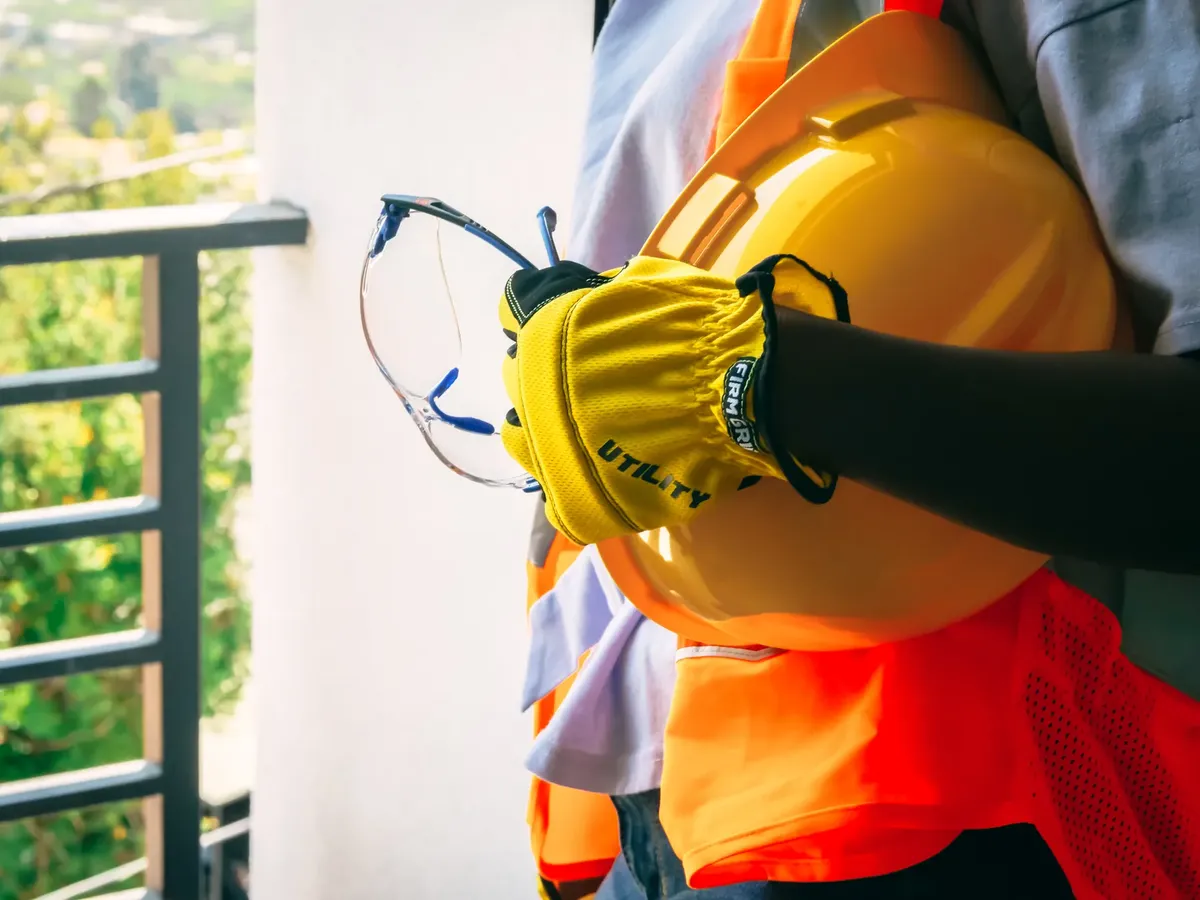
These environmental factors necessitate specialized safety measures and constant monitoring. Specialized measures might include advanced ventilation systems or mandatory respiratory protection.
High-risk environments often involve irregular schedules and long hours, which can lead to fatigue-related accidents. In 2010, 50% of workers in certain industries worked more than 48 hours a week and 25% worked more than 60 hours a week.
Managing these temporal risks is just as critical as managing physical hazards. Fatigue compromises judgment, increasing the likelihood of an accident even when physical hazards are controlled.
Exposure to chemical agents or repetitive physical strain can lead to long-term health complications for employees.
What are the limitations of safety regulations?
An administrative officer reviews the legal scope of the OSH Act to determine which departments require specific oversight. The boundaries of authority must be clearly understood to ensure proper coverage.
While regulations provide a framework, they do not cover every possible workplace scenario or worker category. The OSH Act does not cover the self-employed, immediate family members of farm employers, or workplace hazards regulated by another federal agency.
This means businesses must often look to specific departmental guidelines to fill regulatory gaps.
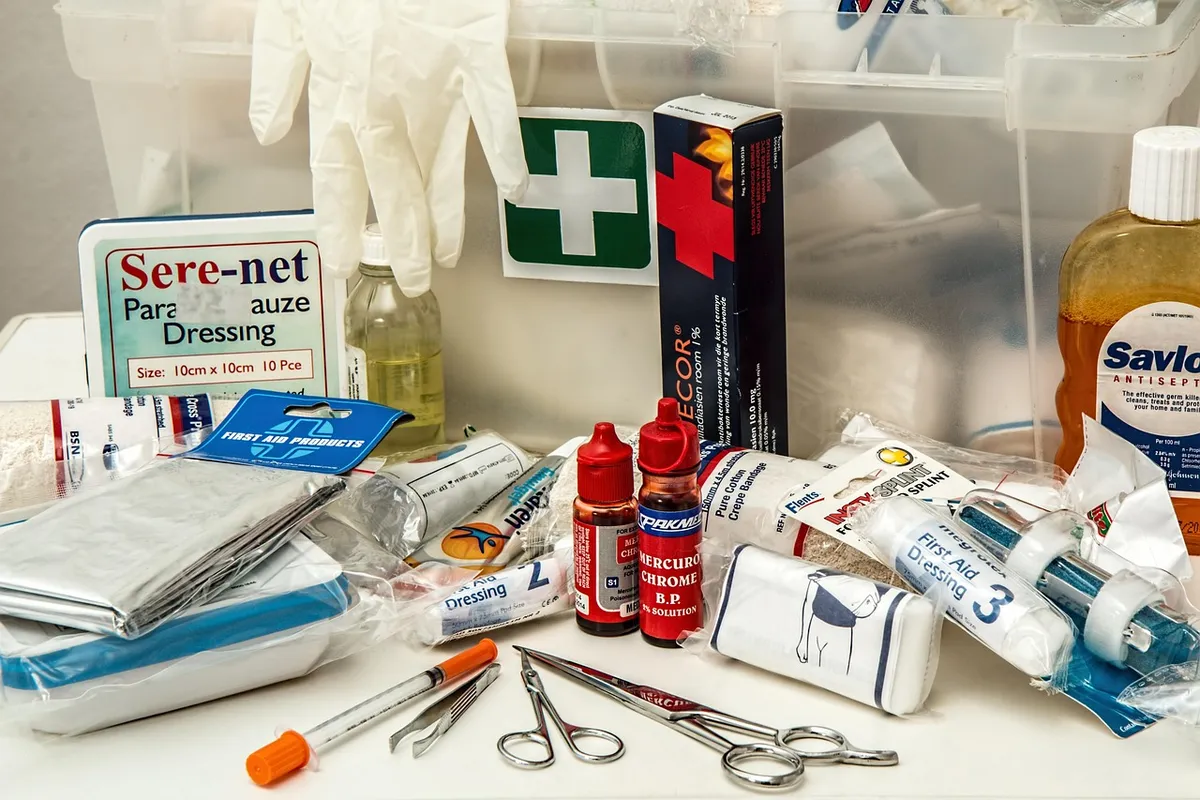
Understanding these boundaries is necessary for comprehensive risk management. Relying solely on one set of rules can leave significant vulnerabilities in the organization. A complete safety strategy must account for both federal mandates and specialized agency requirements.
The existence of regulatory gaps requires the organization to assume responsibility for those areas.
In this sequence, the third step is the most critical.
The subject here is OSHA compliance business impact.
The same subject is also called safety regulation company survival.
The same subject is also called OSHA inspection business benefits.
The same subject is also called workplace safety risk reduction.
The same subject is also called improving work environment safety.
This part also covers how OSHA affects company revenue.
This part also covers preventing industrial accidents strategy.
This part also covers safety management for business growth.
how OSHA affects company revenue
Related







Comments 0