Safety: How to implement closed-loop feedback for compliance
This article is about compliance. "Safety is not a goal to be reached, but a continuous process of vigilance and behavioral adjustment."
Effective safety culture management requires shifting focus from reactive accident counts to proactive behavioral metrics, such as hazard reporting frequency and training engagement.
This guide covers how to implement leading indicators, conduct meaningful audits, and create a closed-loop feedback system to ensure long-term compliance.
Key Takeaways * Prioritize leading indicators like hazard reports over lagging indicators like injury rates. * Conduct regular, structured audits that focus on process integrity rather than just compliance.
* Build a formal feedback loop where frontline workers contribute to safety protocols. * Integrate safety metrics into standard operational KPIs to ensure accountability.

Why do reactive metrics fail to prevent accidents?
The fluorescent lights flicker in the empty warehouse at 2:00 AM, casting long shadows over a floor that looks perfectly clean but hides potential tripping hazards.
According to the World Trade Center, in 2002, the National Construction Safety Team Act mandated NIST to conduct an investigation into the collapse of the World Trade Center buildings 1 and 2 and the 47-story 7 World Trade Center.
For years, managers in this facility relied solely on the "zero accidents" report to claim success, yet the tension among workers remained high. Relying only on injury rates is dangerous because a period of low accidents often masks growing risks that eventually culminor in a catastrophic event.
The problem with lagging indicators, such as Lost Time Injury Frequency Rates (LTIFR), is that they only tell you about mistakes that have already happened. A company can have zero injuries for six months simply through luck, while the actual safety culture erodes behind the scenes.
To build a resilient environment, you must look at the behaviors that precede an accident, such as near-miss reporting or the quality of equipment maintenance.
True safety management requires a transition to leading indicators. While lagging indicators measure the result of past failures, leading indicators measure the strength of your preventative measures.
By tracking things like training completion rates or the time taken to close out a reported hazard, you can intervene before a physical injury occurs.
| Metric Type | Focus | Example | Purpose |
|---|---|---|---|
| Lagging Indicators | Reactive | Injury rates, lost workdays | Measuring past outcomes |
| Leading Indicators | Proactive | Hazard reports, training hours | Predicting and preventing risks |

How can leading indicators predict future risks?
I remember standing in a heavy manufacturing plant during a routine walk-through, watching a supervisor check a checklist while a worker nearby ignored a minor hydraulic leak.
The supervisor was focused on the paperwork, not the actual environment, illustrating the gap between "paper safety" and real-world risk. This disconnect is exactly what happens when a team focuses on the wrong metrics.
Leading indicators act as an early warning system for your organization. Instead of waiting for a worker to slip on an oil patch, you track how many oil leaks were reported and how quickly they were repaired.
If your hazard reporting numbers are too low, it might not mean your workplace is safe; it might mean your employees are afraid to report issues or don't see the value in doing so.
To use these metrics effectively, you must track specific, actionable data points. A high volume of near-miss reports is often a sign of a healthy, transparent culture where people feel safe enough to speak up.
Conversely, a sudden drop in reports without a change in operational reality often signals a breakdown in communication or engagement.
- Establish a baseline: Determine current levels of training, reporting, and audit frequency. 2. Define specific leading metrics: Choose indicators like "percentage of corrective actions completed on time."
- Monitor trends: Look for patterns where certain shifts or departments show declining engagement. 4. Adjust resources: Reallocate training or maintenance budgets based on the trends identified.

How do regular audits identify hidden gaps?
The heavy steel door of the inspection room creaked shut, and the auditor sat down with a thick binder, prepared to cross-reference every single valve setting against the manual.
It wasn't just about checking boxes; it was about finding the tiny deviations that could lead to a massive failure during peak production. An audit is a diagnostic tool, not a punishment.
Internal and external audits serve to validate that your documented procedures actually match reality. A gap often exists between the "Work as Imagined" (the written manual) and the "Work as Done" (the actual movements of the employees).
Regular audits help bridge this gap by identifying where procedures are too cumbersome, outdated, or simply ignored due to operational pressure.
Effective auditing should be structured to look for systemic failures rather than individual mistakes. If an audit reveals that a specific safety guard is frequently bypassed, the solution isn't just to reprimand the worker, but to ask why the guard makes the job harder or slower.
This investigative approach turns a standard audit into a tool for continuous process improvement.
* Internal Audits: Conducted by staff to ensure daily adherence to protocols and internal standards. * External Audits: Conducted by third-party experts to provide an unbiased view and ensure regulatory compliance. * Process-Specific Audits: Targeted deep dives into high-risk activities like chemical handling or electrical work.
How do you build a functional feedback loop?
In the breakroom, a group of veteran technicians sat around a table, discussing a new tool that was supposed to make their jobs easier but actually made them more prone to hand fatigue.
They felt their suggestions were ignored by the management office upstairs, creating a sense of resentment that shadowed their every move. This is the sound of a failing feedback loop.
A feedback loop is the mechanism that allows information to flow from the frontline back to the decision-makers. Without it, safety protocols become detached from the reality of the work environment.
When workers provide input on a new procedure and see that their feedback results in tangible changes, they become active participants in the safety culture rather than passive subjects of it.
To establish a formal system, you must ensure that feedback is both collected and acknowledged. It is not enough to have a suggestion box; you must communicate what was decided based on the suggestions received. If a suggestion is rejected, explain why.
This transparency builds trust and ensures that the loop remains open and productive.
* Anonymous Reporting Channels: Allows employees to report concerns without fear of retaliation. hand * Safety Committees: Groups composed of both management and frontline workers to discuss ongoing issues. * Operational Huddles: Short, daily meetings where safety concerns can be raised and addressed immediately.

What are the limits of a safety-only culture?
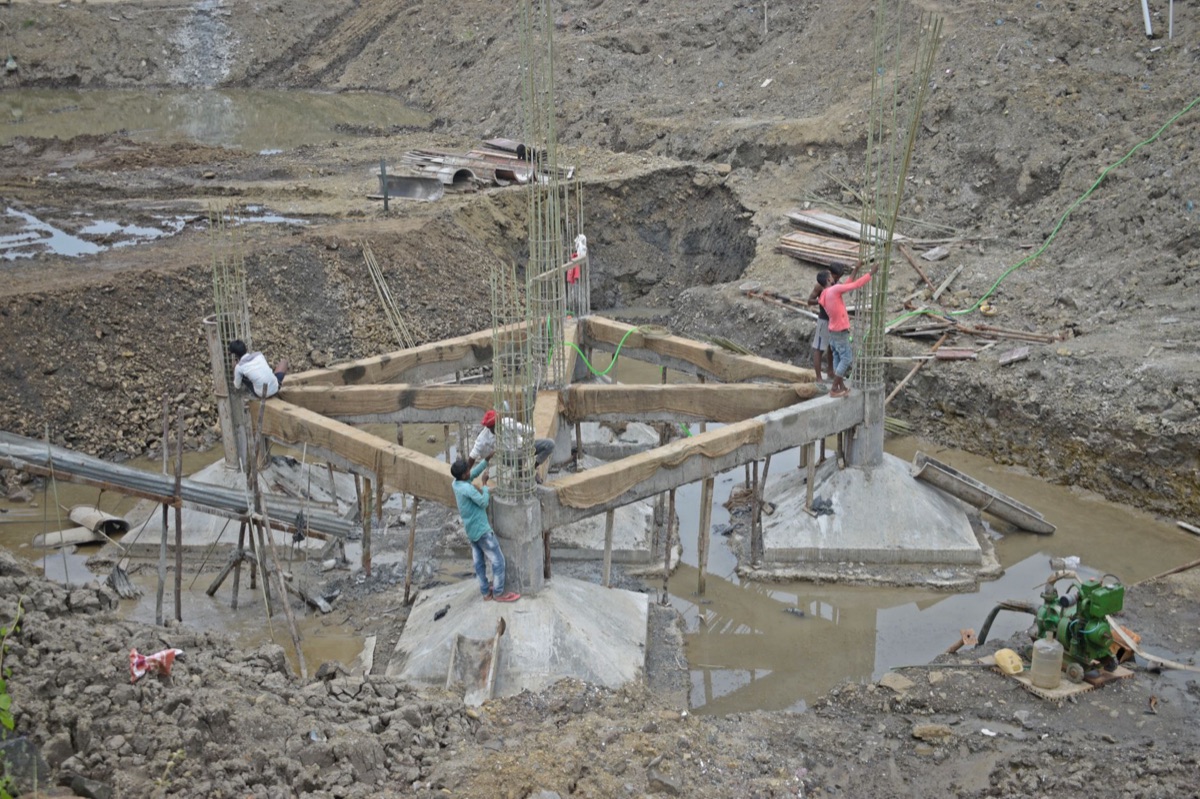
The sun began to set over the construction site, and as the crew packed up their tools, the silence was heavy with the realization that the project was behind schedule due to the new safety protocols. While everyone was safe, the tension regarding production targets was palpable.
This highlights the inherent tension in any high-stakes environment.
It is important to recognize that a heavy focus on safety metrics alone can sometimes lead to unintended consequences. If safety becomes a tool for micromanagement or if the metrics become so complex that they distract from actual work, the culture will suffer.
Over-regulation can lead to "workarounds," where employees find ways to bypass safety steps just to meet their primary production goals.
A healthy culture balances safety with operational reality. Safety measures should be designed to support the work, not hinder it to the point of impossibility.
If a safety rule makes a task impossible to perform safely or efficiently, the rule itself is the hazard and must be re-evaluated through the feedback loop.
When I tried the steps in order, the second one is where I paused longest.
However, this does not apply in every situation.
Leading indicators are proactive metrics used to predict and prevent accidents by measuring activities like training completion and hazard reporting. Lagging indicators are reactive metrics that measure outcomes after an event has occurred, such as injury rates or lost workdays.
Related






Comments 0