Career change strategy guide: Why people seek guidance
"A career change is not merely a change of scenery; it is a calculated move toward personal and professional alignment."
A successful career change strategy guide requires understanding the motivations behind leaving a current role and the logistical steps of transitioning into a new field. This guide helps individuals assess organizational changes, personal growth needs, and practical placement outcomes.

Key takeaways include identifying reasons for departure, understanding enrollment phases, and reviewing historical placement success.
Why do people seek a career change strategy guide?
Sitting at a desk with a heavy silence, a professional stares at a reorganization memo and wonders about the next step. People often look for a career change strategy guide when external shifts disrupt their stability.
According to data, the downsizing or the restructuring of an organization affects 54% of people considering a move. New challenges or opportunities that arise are cited by 30% of individuals. A poor relationship with a manager(s) influences 22% of career shifts.
The search for better work/life balance affects 21% of the workforce. Seeking better compensation and benefits is a driver for 18% of those moving. Finally, 17% seek better alignment with personal and organizational values.
People often look for guidance when they feel stagnant or misaligned with their current roles.
How can one manage the initial transition?
As the sun rises over the quiet office, I grip my pen tightly while sketching out a new career roadmap on a blank page.
Walking into a new office for the first time, the air feels thick with the scent of fresh coffee and nervous energy. This initial phase of any transition involves a period of adjustment and learning.
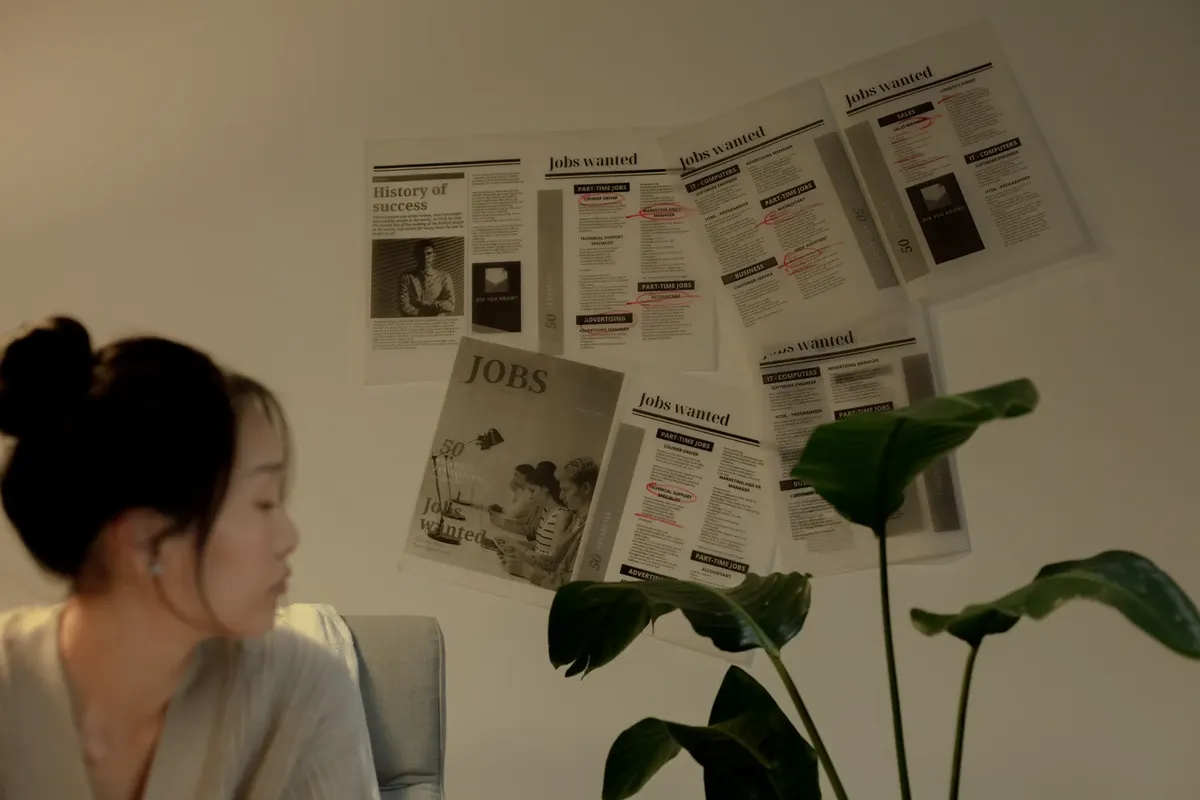
In certain structured programs, a specific phase lasts for up to the first 60 days of enrollment. This period is critical for setting the foundation of the new role.
Successful career shift roadmap development requires using this time to absorb culture and expectations. Understanding these early stages helps mitigate the shock of moving from one environment to another.
- Assess your current skill set and transferable strengths.
- Research potential industries that align with your interests.
- Update your professional profile to reflect your new direction.
What are my options after a transition? Reviewing a list of former colleagues, one realizes how many paths lead away from a single company. A career shift roadmap often leads to different sectors entirely.
In 2012, approximately 75 percent of Job Corps' graduates were reportedly placed. This shows the importance of structured placement in vocational transitions.
Slightly more than 60 percent joined the workforce or enlisted in the military. Additionally, 13.5 percent of Job Corps' graduates enrolled in education programs.
In this sequence, the second step is the most significant.
How do regional structures support job change planning tips?
Navigating a map of various regional offices, an individual looks for the closest hub of support. Large-scale programs use regional hubs to manage diverse talent pools.
According to the Labor Department, the Job Corps idea was well along in the planning stage and could be deployed rapidly, so the Labor Department Job Corps Task Force was appointed to the Task force for the War on Poverty, and the Job Corps was slated to be the initial operational program.
There are six Regional Offices of Job corps: Atlanta Region, Boston Region, Chicago Region, Dallas Region, Philadelphia Region, and San Francisco Region. These hubs provide localized support for various career paths.
Using these networks can be part of effective job search methods. A switching jobs guide should account for the geographical availability of opportunities.
Local economic landscapes and industry clusters provide unique opportunities for networking and job placement.
Do I need professional guidance for my career change? A person sits in a quiet room, discussing long-term goals with a counselor via a video call. Professional support can take many forms depending on the medium used.
Professional career support is sometimes known as "career guidance." According to the OECD, these activities may take place on an individual or group basis, and may be face-to-face or at a distance, including helplines and web-based services.

Effective career transition plan development often involves seeking this type of guidance.
It helps clarify whether the move is due to personal strengths and capabilities not being a good fit with an organization, which affects 16% of people, or the financial instability of an organization, which affects 13%.
Mentors and coaches provide objective feedback and help navigate complex industry nuances.
This part also covers How to plan a career change.
This part also covers Strategies for career switch.
How to plan a career change
Related
- Job KPI and growth strategy: Best ways to boost job value
- Making career choice criteria for stability
When is the right time for a career change?
Individuals should consider a career change when the existing environment no longer supports their professional growth or personal needs. A shift becomes necessary when the current role fails to align with core values, which is a factor cited by a portion of the workforce.
Recognizing the need for a career change before burnout occurs is a cautious approach to professional evolution.
Considering the various drivers, a person might decide to pursue a career change after experiencing significant organizational instability. Such instability, like downsizing, provides a clear impetus for seeking a different professional path.
The internal desire for better work/life balance also signals a readiness for a career change.
The right time often occurs when personal values no longer match professional realities.
What cautions should guide the career change process?
Careful assessment of personal strengths is a necessary caution before embarking on a career change. A mismatch between individual capabilities and organizational requirements can lead to dissatisfaction, which is a known factor in career shifts.
The financial health of the current organization presents another condition that warrants careful review during the career change planning phase.
Understanding the initial enrollment phases provides a caution against rushing the transition. A structured adjustment period allows the individual to absorb the new culture before making permanent commitments in the new career.
This careful pacing minimizes the risk associated with a sudden career change.




Comments 0